5/22/2026

Xhorse Key Tool Plus vs Smart Pro Which is Better

Xhorse VVDI Key Tool Plus and Smart Pro which is better for auto locksmith programming?

vvdi key tool plus vs smart pro

Here is the clue.

Both the Xhorse VVDI Key Tool Plus (often called KTP or VVDI Pad) and the Advanced Diagnostics Smart Pro are popular tablet-style key programmers used by automotive locksmiths for transponder keys, proximity/smart keys, remotes, PIN reading, and immobilizer (IMMO) programming. They are all-in-one solutions aimed at mobile or shop-based work, with built-in touchscreens, OBD connectivity, and support for a wide range of vehicles.


Overview and Core Differences

Xhorse VVDI Key Tool Plus: An all-in-one locksmith-focused tablet that integrates functions from VVDI2, VVDI MB, Key Tool Max, and VVDI Prog. It emphasizes key generation, cloning (especially with Xhorse Super Chips), remote production, and strong coverage for European vehicles (VAG, BMW, Mercedes). It features a built-in key slot similar to Autel’s XP400 and supports connections to Xhorse key cutters via Bluetooth. Hardware includes an 8-core 2GHz CPU, 4GB RAM + 128GB storage, 10.1″ HD anti-glare screen, 13MP camera, and a large 10,000mAh battery.


Smart Pro:
A dedicated OBD key programmer from Advanced Diagnostics (linked with Silca/Ilco) known for its intuitive guided interface, extensive database (over 5,000 models via MYKEYS Pro), and strong performance on domestic (especially Ford) and Asian vehicles.

Excellent for no-EEPROM OBD jobs, Ford (including active alarm scenarios), and many domestic/Asian vehicles. Its guided interface reduces errors and makes complex jobs safer for technicians.

It uses a 10.1″ HD touchscreen, quad-core processor, 2GB RAM + 32GB storage, and supports expansions like Smart Aerial for transponder work. It stands out for step-by-step prompts, photos, hints, and vehicle-specific guidance.


Key Hardware Contrast: The Key Tool Plus generally has superior specs (faster processor, more RAM/storage, better battery, camera). Smart Pro prioritizes usability and guided workflows over raw power.


Feature Comparison

1).Vehicle Coverage & Strengths:
Key Tool Plus: Excels with European cars (VAG/MQB, BMW, Mercedes), Toyota (including H Smart Key AKL without emulator), cloning, and module/EEPROM work. Good for all-keys-lost and advanced IMMO. Some activations (e.g., MQB, certain BMW/Mercedes) may require extra licenses.

Smart Pro: Often praised for broader everyday coverage, especially Ford (including active alarm scenarios), domestic, and Asian vehicles. Excellent guided procedures reduce errors on common jobs.


2). Usability & Interface:
Key Tool Plus: Powerful but can have a steeper learning curve with menus that risk issues if the wrong option is selected (especially for beginners). Some reports of bugs or less polished guidance.

Smart Pro: Frequently called the most user-friendly with excellent prompts, photos, countdowns, and hints. Ideal for technicians who want clear step-by-step help.


3). Cloning, Remotes & Extras:
Key Tool Plus: Strong universal remote generation, VVDI Super Chip support, transponder cloning/generation, and direct key cutter integration. Built-in diagnostics and readers for various brands.

Smart Pro: Good transponder management with expansions; integrates well with Silca/Ilco keys. Basic EOBD for fault reading/clearing.


4). Updates & Costs:

Key Tool Plus: Typically one-time or lower ongoing costs (some token/activation system for extras), more affordable upfront (~$2,069 in some configs). Fast updates for supported models.

Smart Pro: Token-based or Unlimited Token Plan (UTP)/subscription model, which can become expensive for low-volume users. Some deals include initial unlimited tokens. Ongoing software releases for broad coverage.

5). Portability & Build:

Both are tablet-based and portable. Key Tool Plus has standout battery life (users report days of heavy use). Smart Pro offers ~2 hours standalone and charges via OBD/mains.


Pros and Cons (Based on Customer Reviews & Feedback)


Xhorse VVDI Key Tool Plus:

Pros:

  • Excellent value and all-in-one capabilities (cloning, remotes, European IMMO).
  • Superior hardware (speed, battery, storage).
  • Strong on premium European vehicles and advanced functions like Super Chip.
  • Bluetooth key cutter integration and universal key support.
  • Good for locksmiths focused on key work rather than full diagnostics.
  • Excellent for EEPROM work, cloning, remote generation, and a wide range of advanced functions.
  • Part of a broader Xhorse ecosystem with adapters and key cutters.

Cons:

  • Some features require extra activations/licenses.
  • Weaker on certain domestic/Asian markets compared to competitors.
  • Coverage not as universal for every niche.
  • Requires more technical knowledge and carries higher risk if the wrong menu is selected.
  • Some jobs still fail where Smart Pro succeeds via OBD.
  • Interface can feel less polished or guided compared to Smart Pro.


Smart Pro:
Pros:

  • Best-in-class guided procedures — safest and easiest for OBD jobs, especially when you want to avoid EEPROM.
  • Excels on the jobs where other popular tools fail; a strong “backup” or specialist tool.
  • Highly user-friendly with best-in-class guided procedures, photos, and tips.
  • Reliable for Ford (active alarms) and a wide range of domestic/Asian vehicles.
  • Safe, secure programming with good support ecosystem (Silca keys).
  • Strong when other tools fail on certain models.


Cons:

  • Token/subscription costs can add up significantly (a common complaint).
  • Older hardware specs compared to newer tablets.
  • Less emphasis on advanced cloning or key generation ecosystems like Xhorse Super Chips.
  • Some users find it a “money pit” for high-volume or infrequent use.
  • Weaker on EEPROM, cloning, and certain advanced key work that KTP handles easily.


Which One Should You Choose?

Most professionals own multiple tools (KTP, Autel, Smart Pro, Lonsdor, ACDP, Xtool, etc.) because each serves specific purposes.
Smart Pro is the best for no EEPROM. You’ll have to EEPROM with Key tool plus, otherwise you will lose some eeprom jobs, like MQB48/MQB49 5C 5D— that’s the beauty of it.”
Investing in supporting equipment is critical: good battery support unit, Lishi tools, hand tools, mobile setup, and ongoing training.
Safety first — improper work can lead to bricked modules. Soldering skills are often essential when adapters fail or pins are damaged.

  • Choose VVDI Key Tool Plus if you want strong European coverage, cloning/remote versatility, better hardware/value, and integration with Xhorse ecosystem. It’s often recommended as a primary or cost-effective tool, especially paired with others for gaps.
  • Choose Smart Pro (or both) if you need top-tier usability, Ford/domestic strengths, or a reliable “when others fail” backup. Many experienced locksmiths own multiples for comprehensive coverage.

Final Advice:
Research your local market (e.g., UK/EU vehicles vs. US domestics) and consider volume. Test via demos if possible, and factor in ongoing costs. Both are capable professional tools, but the Key Tool Plus edges out on price/performance for many modern locksmiths, while Smart Pro wins on ease and specific strengths. Always stay updated with manufacturer releases.

www.obdii365.com

How to Cut Keso Household Key with Xhorse Condor XC-TWINS?

Xhorse Condor XC-TWINS key cutting machine has a large household key database. Here we will show how to cut a Keso dimple key using the XC-TWINS.


Key type: Keso 2000S dimple key

Machine used: Xhorse Condor XC-TWINS

Clamp: M5L-B Clamp

Cutter: Xhorse original D04 & D05 dimple cutter

Cut Keso Household Key with Xhorse Condor XC-TWINS 1

Procedure:

Select Household key- Keso- Keso 2000 S- KE3.

Cut Keso Household Key with Xhorse Condor XC-TWINS 2

Cut Keso Household Key with Xhorse Condor XC-TWINS 3

Cut Keso Household Key with Xhorse Condor XC-TWINS 4

Cut Keso Household Key with Xhorse Condor XC-TWINS 5

Place the original key front side into M5L clamp B side and Decode key.

Cut Keso Household Key with Xhorse Condor XC-TWINS 6

Decode (internal) front side ok.

Cut Keso Household Key with Xhorse Condor XC-TWINS 7

Cut Keso Household Key with Cut Keso Household Key with Xhorse Condor XC-TWINS 8Condor XC-TWINS 6

Choose Dimple (internal) side and decode.

Cut Keso Household Key with Xhorse Condor XC-TWINS 9

 Cut Keso Household Key with Xhorse Condor XC-TWINS 10

 Cut Keso Household Key with Xhorse Condor XC-TWINS 11

 Cut Keso Household Key with Xhorse Condor XC-TWINS 12

Place a new key flat onto the M5L clamp-B.

Cut Keso Household Key with Xhorse Condor XC-TWINS 13

Cut Keso Household Key with Xhorse Condor XC-TWINS 14

Cut the front key.

Cut Keso Household Key with Xhorse Condor XC-TWINS 15

Cut Keso Household Key with Xhorse Condor XC-TWINS 16

Cut the back side of the key.

Cut Keso Household Key with Xhorse Condor XC-TWINS 17

Cut Keso Household Key with Xhorse Condor XC-TWINS 18

 Cut Keso Household Key with Xhorse Condor XC-TWINS 19

Place the key sideways on the clamp.

Cut this side of the key.

Cut Keso Household Key with Xhorse Condor XC-TWINS 20

Cut Keso Household Key with Xhorse Condor XC-TWINS 21

Cut Keso Household Key with Xhorse Condor XC-TWINS 22

Cut another key side.

Cut Keso Household Key with Xhorse Condor XC-TWINS 23

Cut Keso Household Key with Xhorse Condor XC-TWINS 24

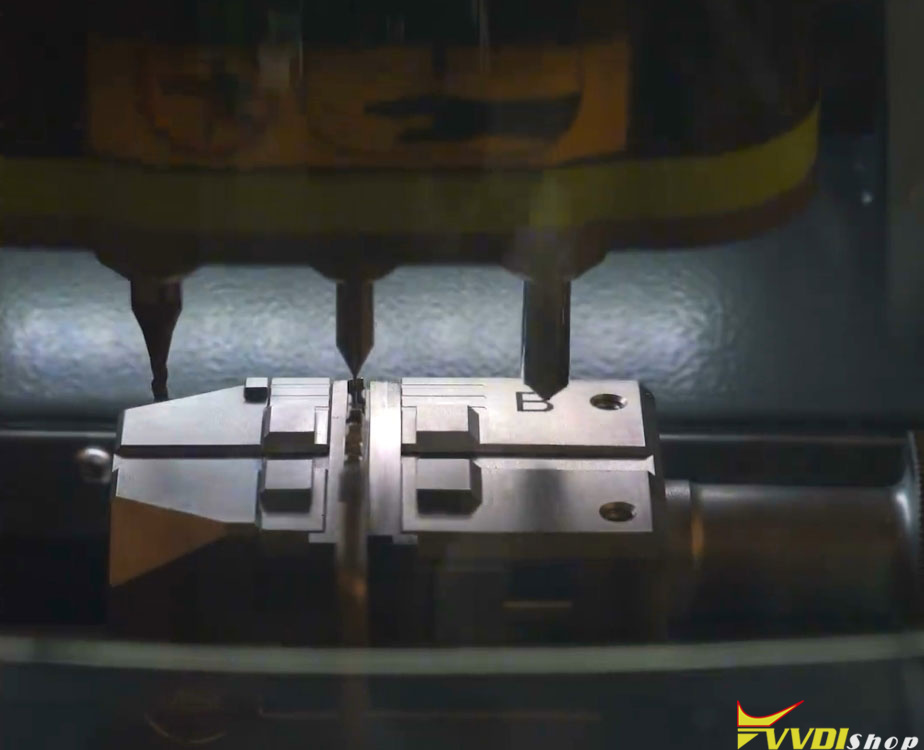
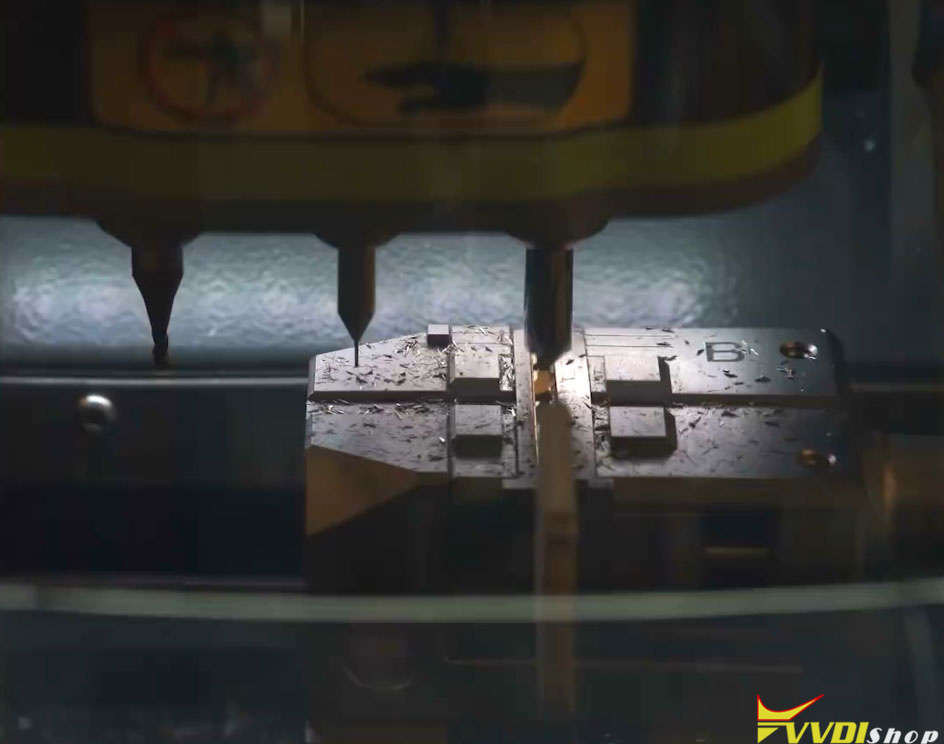
The key needs to be cut on all four sides. Each time you cut it, you need to remove the shavings.

Finish.

www.vvdishop.com

5/08/2026

Xhorse Condor XC-009 Alignment Guide

Proper calibration ensures precision and extends tool life. Follow these steps to align your Xhorse Condor XC-009 before its first use or after mechanical impact. Ensure the power remains OFF throughout the entire procedure.


Preparation & Required Tools

Before beginning, verify that your work area is clean and you have the following tools from your kit:

  • Allen Wrenches: 5mm and 3mm hex keys included in your kit.
  • Calibration Gauges: Two standard gauges provided with the Condor XC-009
  • Flashlight: Highly recommended for verifying precise alignment in the jaw.


Step 1: Jaw and Gauge Setup

  1. Clean the Stopper: Ensure the key stopper is free of debris and perfectly straight.
  2. Set Jaw Position: Rotate both the left and right jaws to Side A.
  3. Install Gauges: Slide the gauges into the jaws until they hit the lip, hold them tight, and lock them down.

Xhorse Condor XC-009 Alignment  1

Xhorse Condor XC-009 Alignment 2

Xhorse Condor XC-009 Alignment 3

Step 2: Lateral (Horizontal) Adjustment

If the tracer does not align horizontally with the gauges:

  1. Unlock the Axis: Use the 3mm Allen wrench to unlock the lateral adjustment mechanism.
  2. Adjust Movement: Use the 2.5mm Allen wrench on the bottom of the unit to shift the guide until it slides smoothly into the gauge.
  3. Secure the Setting: Relock the adjustment screw once horizontal alignment is achieved.

Xhorse Condor XC-009 Alignment 4

Step 3: Depth (Micrometer) Fine-Tuning

  1. Release Top Lock: Slightly loosen the lock/unlock knob at the top of the machine.
  2. Dial the Micrometer: Turn the micrometer knob to adjust the depth.
  3. Control Direction: Turning the micrometer can push the guide out or draw it in for a tighter fit.
  4. Final Lock: Once the guide sits perfectly flush, lock the jaw and the top knob.

Xhorse Condor XC-009 Alignment 5

Xhorse Condor XC-009 Alignment 6

Step 4: Verification

  1. Shoulder Stop Check: Verify that the shoulder stop is functioning correctly and aligning with your gauges.
  2. Visual Inspection: Use a flashlight to confirm the tracers are properly seated in the gauges.

Xhorse Condor XC-009 Alignment 7

www.vvdishop.com